
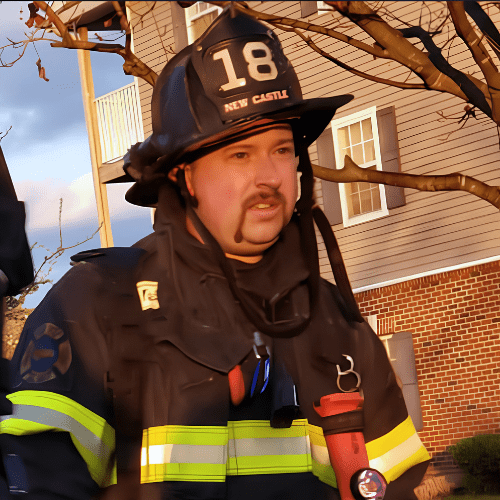
Presenter
“The fire service has been provided a great gift in the form of scientific studies focused on exploring our on-scene behavior and the effects that behavior has on the overall fireground. Unfortunately, many do not fully understand the information contained within those studies or what it means for our operations.
Understanding the “why” behind the “how” helps make us better firefighters. Being able to take an overwhelming amount of data, identify what is beneficial, apply it to our operations, and train on it is what makes us more effective on the fireground.
This class will provide an overview of recent studies, explore the data and recommendations, and facilitate a discussion on how to best incorporate relevant information into solid, research-backed fireground tactics.”
“It has been said, “The fire goes as the first line goes.” Nothing could be more true, and nothing is more integral to solving the problem than a successful fire attack. What is a successful fire attack? What makes it “go”? Where does it need to “go”? How should it “go”? What happens when it doesn’t “go”? Can it be accomplished with short staffing?
The fire service has been afforded a tremendous advantage with the availability of scientific data that can be combined with past practice and the resources available to each department to create a successful fire attack. This session will combine data from UL/NIST studies, textbooks, street experience, and trial and error to break down the components of a successful fire attack and provide an understanding of the “why” behind the “how.”
The presentation will also provide a flow chart and decision-making process that students can use to adapt these concepts to their department’s operational needs and successfully execute the required steps of a fire attack at an incident.”