
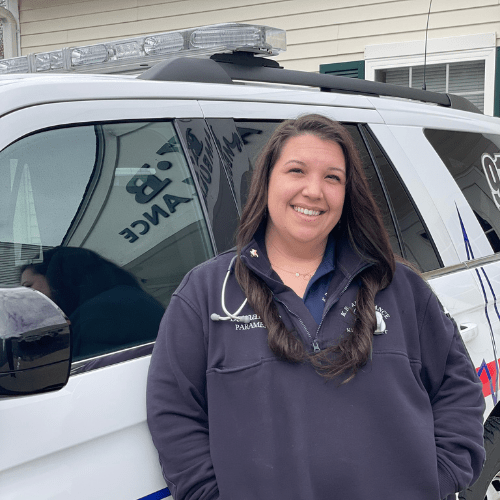
Samantha Greene

NRP, EMS-I

Paramedic, Training Supervisor
KB Ambulance Corps

Killingly, CT

Samantha Greene has served as a ground paramedic and EMS educator for the past 13 years, driven by a passion for lifelong learning and a commitment to improving care for both patients and fellow providers. She is dedicated to fostering positive, engaging learning environments in the classroom and in the field while advocating for first responder safety, resilience, and mental health. Before beginning her career in EMS, Samantha held a variety of leadership and mentoring roles that helped shape her approach to education, teamwork, and professional development. She is passionate about supporting the next generation of EMS professionals and creating opportunities for others to succeed. Outside of EMS, Samantha enjoys spending time in her garden, chasing adventures with her daughter, and making memories with family, friends, and her two dogs, Lucy and Dolly.

When Oxygen Becomes a Drug: The Hidden Risks of Hyperoxia (Thursday, October 22, 2026 - 9:45-11:00am)

Oxygen is one of the most frequently administered interventions in EMS, yet its potential harms are often under-recognized. This session reframes oxygen as a vasoactive medication with dose-dependent effects and examines current evidence surrounding hyperoxia and patient outcomes.

Attendees will explore the physiologic effects of hyperoxia and how excessive oxygen administration can impact coronary, cerebral, and systemic perfusion. The presentation will discuss the difference between oxygen used as a medication to treat hypoxia and oxygen provided as a supportive comfort measure, helping providers better understand when oxygen is clinically indicated.

Participants will also identify patient populations in which excessive oxygen administration may be harmful and review disease-specific considerations that influence oxygen therapy decisions. The session will provide evidence-based strategies for titrating oxygen appropriately, balancing the need to correct hypoxia while avoiding unnecessary exposure to potentially harmful levels of oxygen.