
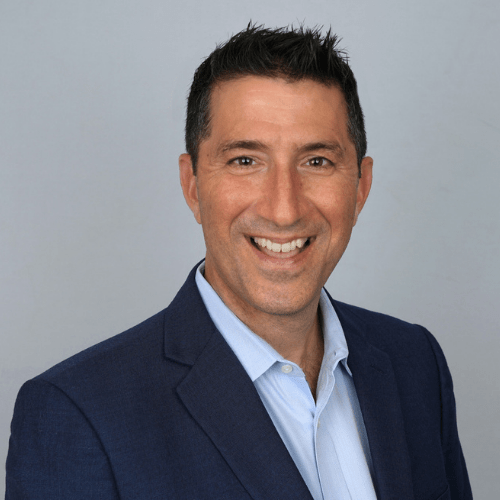
Peter Antevy

MD, FAEMS
EMS Medical Director, Central & South Florida
Founder and CMO, Handtevy
Davie, FL

Peter Antevy, MD, FAEMS is an emergency physician, EMS Medical Director, and patient safety advocate whose career has been defined by one simple belief: better data saves lives. He serves as EMS Medical Director for a number of large fire departments in Central and South Florida, and is the Founder and Chief Medical Officer of Handtevy, a mobile platform used by more than 3,000 EMS agencies and over 100 hospital emergency departments across the United States and Canada. A driving force behind the Florida Stroke Registry, the Resuscitation Centers of Excellence program, and landmark pediatric readiness legislation in Florida, Dr. Antevy has spent more than a decade building the systems, coalitions, and accountability structures that turn raw EMS data into measurable improvements in patient outcomes. He is President of the Florida Chapter of the National Association of EMS Physicians and a passionate advocate for data transparency as the foundation of a better, more accountable healthcare system.

Whole Blood in EMS: Saving Lives in the Field (Thursday, October 22, 2026 - 8:00-9:15am)
Trauma remains a leading cause of preventable death, and prehospital blood administration is transforming the way we care for critically injured patients. This session will explore the science behind whole blood transfusion, including its impact on hemorrhagic shock, patient outcomes, survival rates, and best practices for implementation within EMS systems. Through real-world case studies, participants will examine the effectiveness of early blood administration in both blunt and penetrating trauma while exploring how this approach is changing the way EMS providers think about resuscitation. Attendees will gain insight into why providers must rethink the traditional ABCs and embrace evolving strategies to improve care for patients experiencing life-threatening hemorrhage. Participants will develop a deeper understanding of the physiological benefits of whole blood compared to crystalloid and component therapy in the management of hemorrhagic shock. The session will review research data and real-world case studies demonstrating improved survival outcomes associated with prehospital whole blood administration. Attendees will also explore strategies for integrating whole blood programs into EMS systems, including logistics, storage considerations, and clinical decision-making processes.
In pediatric sepsis, hesitation kills—but over complication can too. Join Dr. Peter Antevy for a fast-moving, data-driven session that strips away the noise and focuses on what truly saves lives in the field. Using real-world EMS data, recent studies, and the new Phoenix Sepsis Score, Dr. Antevy challenges outdated dogma and provides a practical roadmap for early recognition, aggressive resuscitation, and timely antibiotic delivery. From FEAST to fluid bundles to the next frontier of plasma therapy, this presentation reframes pediatric sepsis management through the only lens that matters—speed, simplicity, and survival. Participants will learn to identify key physiologic indicators of pediatric sepsis using the Phoenix Sepsis Score and understand how early recognition can improve survival. The session will explore evidence-based fluid resuscitation and antibiotic strategies that emphasize rapid, goal-directed care in both the prehospital and emergency department settings. Attendees will also examine emerging therapies, including prehospital antibiotic administration and plasma therapy, and discuss their potential to redefine the future of pediatric sepsis management.