
PhD, PA-C
Forensic Medicine Program Manager
Snoqualmie Valley Health
Snoqualmie, WA
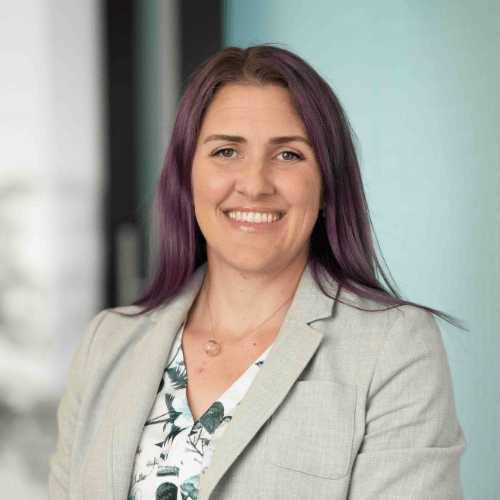
PA Thompson has a strong background at the intersection of healthcare and interpersonal violence. Her work began as a volunteer advocate for sexual assault survivors, where her passion for addressing interpersonal violence was born. She later became a female instructor for Zero Hour Model Mugging Self Defense, a role she continued for nearly 20 years.
After discovering her true passion for medicine, Katherine pursued a career in emergency medical services in the heart of inner-city Los Angeles before transitioning to her current roles as a Physician Assistant in the emergency department and urgent care. Throughout her work in healthcare and interpersonal violence, she has specialized in collaborative leadership, interprofessional team building, and communication between providers and survivors to help create the strongest possible support network.
She is a PhD scholar in violence research and forensic psychology and is currently working on a book about nonfatal strangulation, exploring how and where it presents in society. Her dissertation examined demographic factors associated with nonfatal strangulation perpetrators.
Katherine has been published in the Journal of the American Academy of Physician Assistants (JAAPA) and the Journal of Emergency Medical Services (JEMS), appeared on the JAAPA podcast, presented at national conferences, and frequently guest lectures on interpersonal violence and healthcare.