
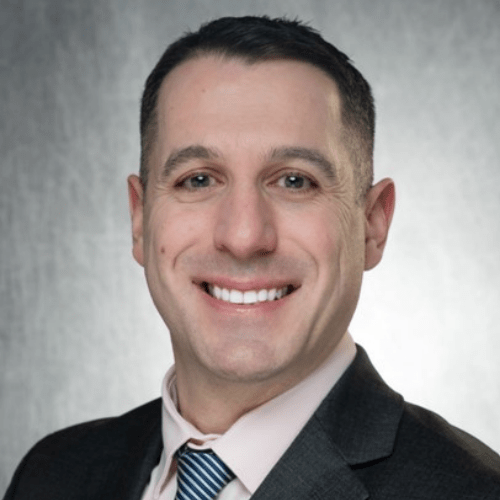
Bryan Fleischman

PA-C, EM-CAQ, MBA, NRP

Physician Associate (PA), Firefighter/Paramedic
North Country Healthcare (NCH)
North Conway, NH

Bryan Fleischman is a Physician Associate (PA) who completed an emergency medicine residency and currently practices rural critical access emergency medicine while serving as a firefighter-paramedic. His clinical background includes high-volume 911 EMS and critical care transport in New York City during the COVID-19 pandemic, providing care in some of the nation's busiest emergency response systems. Bryan also has extensive experience in outpatient and mobile anesthesiology, with a strong focus on advanced airway management, particularly in pediatric patients. He serves as an Adjunct Assistant Professor at the Emory University School of Medicine, where he mentors medical and PA students through the Emory Farmworker Project. In addition to his clinical and academic roles, Bryan remains actively involved in EMS education as an instructor and Advanced Life Support (ALS) preceptor, helping prepare the next generation of emergency care providers.

Chilled to the Bone: Hypothermia in the Field (Saturday, October 24, 2026 - 8:00-9:15am)

Cold exposure in remote environments can turn routine calls into life-threatening emergencies. Hypothermia doesn’t just lower body temperature—it impairs cognition, reduces motor function, and can rapidly overwhelm patients when darkness, wind, wet clothing, and prolonged extrication times work against them. This session delivers a practical, field-focused approach to recognizing and managing hypothermia when resources are limited and evacuation is delayed.

Participants will learn to differentiate mild, moderate, and severe hypothermia without relying on core temperature devices, using clinical findings and environmental factors to guide interventions. The session will cover high-yield rewarming strategies, including improvised hypowraps, vapor barriers, heat-pack placement, and methods to prevent further conductive and evaporative heat loss.

Cold-water immersion, trauma in cold environments, afterdrop physiology, and the dangers of rough handling will also be addressed. Case-based scenarios will illustrate when to rewarm on scene, when to move patients immediately, and how to protect rescuers operating in freezing conditions.

Whether responding as EMS, SAR, fire-rescue, or wilderness personnel, attendees will gain practical, real-world skills to stabilize hypothermic patients and overcome environmental challenges when every minute—and every degree—matters.

Rural emergency medicine demands a different mindset, and in many parts of Kansas, that reality is lived every day. Patients arrive just as sick—or sicker—but with fewer personnel, fewer resources, limited specialty support, and transport distances that routinely extend far beyond urban norms.

This session explores the clinical and operational challenges of managing high-acuity patients in rural and critical access settings, where EMS providers and emergency clinicians must make early, high-stakes decisions with little margin for error. Drawing from real-world experience in rural EMS systems and a Critical Access Hospital emergency department, this presentation examines common high-risk scenarios, including severe trauma, cardiac emergencies, sepsis, airway compromise, and rapidly deteriorating medical patients.

Emphasis will be placed on early recognition, prioritization of interventions, resource management, and anticipating downstream complications long before definitive care is reached. Through case-based discussion, attendees will gain practical insight into how rural EMS agencies and emergency departments function as a single, interdependent system—and how sound field decision-making can significantly influence outcomes when resources are limited and help may be hours away.