
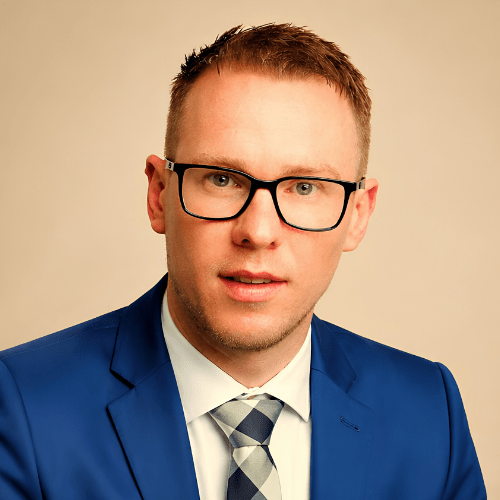
William heuser

PharmD, MS, BCEMP, BCCCP, BCNSP, EMT-P, FP-C

Clinical Pharmacist/Flight Paramedic
New Hyde Park, NY


William Heuser is a critical care and emergency medicine pharmacist, critical care flight paramedic, and educator with extensive experience in prehospital, emergency, and intensive care settings. He serves as a professor and nationally recognized EMS speaker, specializing in high-risk pharmacology, toxicology, and evidence-based decision-making for prehospital and critical care providers. His lectures emphasize practical application, pathophysiology-driven patient care, and translating complex pharmacologic concepts into actionable strategies for both bedside and prehospital clinicians.

Let’s Settle the Debates: EMS Pharmacotherapy Myths, Evidence, and Reality (Thursday, October 22, 2026 - 9:45-11:00am)

From ketamine versus etomidate and delayed sequence intubation to pressors, sodium bicarbonate indications, and post-ROSC sedation, EMS pharmacotherapy has become a full-contact sport. This high-energy, case-driven session puts some of the most controversial topics in prehospital medication use into the ring and examines them through the lens of physiology, pharmacology, and the latest evidence.

Expect real-world cases, audience engagement, and no sacred cows as long-standing practices are challenged, defended, or retired altogether. Attendees will leave with sharper clinical reasoning, a stronger understanding of when to push the limits—and when not to—and practical strategies for making bold, defensible pharmacologic decisions when it matters most.

Participants will evaluate common EMS pharmacotherapy controversies using physiologic principles, pharmacology, and current evidence to guide clinical decision-making. The session will explore how to apply risk-benefit analysis when making high-stakes medication decisions in dynamic prehospital environments and provide attendees with the tools to defend pharmacotherapy choices through evidence-based reasoning when standard practices are questioned or challenged.

Cardiac arrest management includes many medications that are routinely administered, but not all of them improve meaningful patient outcomes. This session takes a critical, evidence-driven look at which medications truly matter during cardiac arrest and which practices continue based more on tradition than data.

Using landmark trials, physiologic reasoning, and real-world prehospital cases, attendees will explore the role and limitations of common arrest medications. The discussion will then transition to often-overlooked controversies in post-ROSC care, including blood pressure targets, sedation, analgesia, and neuroprotective strategies.

The focus of this session is translating evidence into practical, high-impact decisions that improve patient survivorship—not just achieving ROSC.