
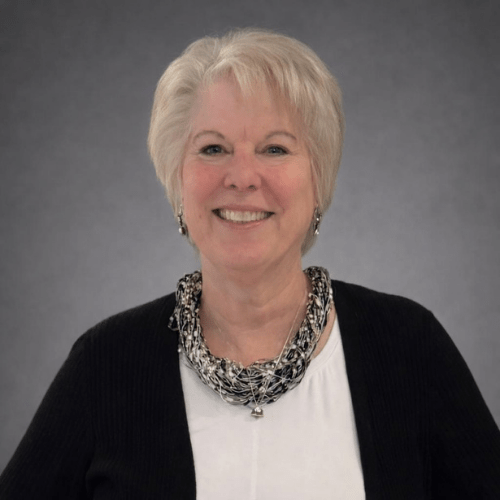
RN M.Sc. LNC, EMT-P
Director for Pediatric & Neonatal Education
Edutainment Consulting & Seminars
Earlysville, VA
Dusty Lynn is a highly respected nurse, paramedic, and pediatric educator with more than four decades of experience caring for critically ill and injured children. Known for her warm, approachable teaching style and clinical expertise, she delivers engaging, practical education that inspires excellence in pediatric and neonatal care.
Dusty began her career in 1981 as a NICU nurse and later expanded her practice to the PICU, pediatric emergency department, CVICU, ECMO, and pediatric trauma. While serving as EMS Outreach Coordinator at Children’s National in Washington, DC, she became a paramedic to better understand and support prehospital providers—an experience that continues to shape her teaching.
Her career has focused on resuscitation process improvement and advancing best practices for critically ill pediatric patients. Teaching advanced life support since 1989, Dusty is an instructor in NRP, ENPC, STABLE, PALS, PEARS, P-ITLS, and PEPP. She has served on regional EMS committees, taught internationally, and held educator and trauma performance improvement roles at UVA Health. Dusty is also co-founder of the Newborn Resuscitation Course and co-creator of the Handtevy Newborn Resuscitation & Obstetric Course, launching in 2026.